Rhodes Scholarship 2028 for Pakistani Students: Application Guide
By Site Admin · Oct 14, 2026 · 34 min read
PART 1 — Scholarship listing
Editorial verification notice — 14 October 2026: The Rhodes Trust confirms that Pakistani applicants were eligible for the 2027 Rhodes Scholarship, but the Pakistan application deadline was 5 August 2026 at 23:59 Pakistan Standard Time (PKT) and has passed. The Trust states that applications are expected to reopen in 2027 for entry to Oxford in 2028; the next Pakistan-specific opening date and deadline have not yet been announced. The 2028 cycle dates below are therefore explicitly marked as expected and unverified, not confirmed deadlines.
Tab 1: Basics
Field | Value |
|---|---|
Title | Rhodes Scholarship 2028 in the United Kingdom |
Slug |
|
Country | United Kingdom |
Provider | Rhodes Trust |
Funding Type | Fully Funded |
Funding Percentage | 100% of eligible covered costs; personal and dependent expenses may exceed the stipend |
Levels | Masters, PhD |
Fields | Most full-time postgraduate courses at the University of Oxford, subject to the Conditions of Tenure |
Status | Draft — publish only after the 2028 cycle dates and funding details are reverified |
Is Featured | Yes |
Is Editor's Pick | Yes |
Eligibility Pakistan | Yes — confirmed for the Pakistan constituency |
Academic Year | 2028–2029, expected; verify the final entry year |
Deadline | Not announced for the 2028 entry cycle; expected in 2027, unverified |
Application Opens | Not announced for the 2028 entry cycle; expected in 2027, unverified |
Current-cycle reference: The official Pakistan page lists 1 June 2026 as the opening date and 5 August 2026 at 23:59 PKT as the deadline for the 2027 scholarship, for Oxford entry in October 2027. Do not display those dates as the deadline for the 2028 entry cycle.
Rhodes Trust
Tab 2: Coverage & amounts
Field | Value |
|---|---|
Stipend Amount | 21060.00 for the 2026–2027 academic year; reverify for the 2028 entry cycle |
Stipend Currency | GBP |
Duration Value | 2 |
Duration Unit | years |
Tuition Covered | Yes |
Travel Covered | Yes — 2 economy-class flights between the UK and the scholar's home country for the beginning and end of Oxford studies, under the published terms |
Insurance Covered | Yes — UK student visa fee and associated Immigration Health Surcharge are covered under the published terms; confirm the applicable rules for the award year |
Accommodation Covered | No — accommodation is paid from the stipend |
Living Allowance Covered | Yes — through the annual stipend |
Deadline Note | The 2028 entry cycle's Pakistan-specific deadline has not been announced. The previous Pakistan deadline was 5 August 2026 at 23:59 PKT. |
The Rhodes Trust's general scholarship FAQ lists a stipend of £21,060 GBP per year (£1,755 GBP per month) for the 2026–2027 academic year. This is the latest amount identified in the official general FAQ, not a confirmed stipend for the 2028 entry cycle. The award also covers Oxford course fees and specified visa, health surcharge, travel and settling-in costs. Actual degree duration and funding conditions depend on the selected course and the Conditions of Tenure.
Rhodes Trust
Tab 3: Eligibility details
Field | Value |
|---|---|
Min Age | 18, subject to the cycle-specific age test |
Max Age | 23 under the standard age route; an alternative route applies to certain applicants under 27 who completed their first undergraduate degree more recently |
Min GPA | No universal published minimum GPA for every Pakistani applicant; strong academic achievement is required. The official checker identifies a GPA of 3.70/4.0 or higher as an example of a competitive academic record, not a universal eligibility cutoff |
IELTS Required | Leave blank — check Oxford's English-language requirements for the chosen course and the applicable waiver rules |
TOEFL Required | Leave blank — check Oxford's English-language requirements for the chosen course and the applicable waiver rules |
Work Experience Years | Leave blank — no universal scholarship-wide minimum identified |
Age and academic warning: The published Pakistan eligibility criteria for the 2027 award refer to age on 1 October 2026 and completion of an undergraduate degree by July 2027. Those dates must not be carried into the 2028 cycle without checking its new candidate document.
Rhodes Trust
Tab 4: Content fields
Overview
The Rhodes Scholarship is a postgraduate funding programme administered by the Rhodes Trust for eligible candidates undertaking full-time study at the University of Oxford in the United Kingdom. The award combines university course-fee coverage with a living stipend and specified additional support. Selection considers academic ability, character, leadership, service and the applicant's readiness for the proposed course. Most full-time postgraduate subjects may be considered, but course eligibility and the number of funded years are governed by the scholarship's Conditions of Tenure.
Pakistani citizens apply through the Pakistan constituency, which the Rhodes Trust confirms offers 2 scholarships each year. For the 2027 award, applications opened on 1 June 2026 and closed at 23:59 PKT on 5 August 2026. That deadline has passed. The Trust says applications will reopen in 2027 for Oxford entry in 2028, but the next Pakistan-specific dates have not yet been published. Pakistani applicants should prepare their academic records, references, personal statement and course plans early, then check the official Pakistan page for the new cycle's rules. The published 2026–2027 stipend is £21,060 GBP annually; the amount and conditions for the 2028 entry cycle require confirmation.
Benefits
Oxford course fees: The scholarship covers eligible University of Oxford course fees under the applicable award conditions.
Annual living stipend: £21,060 GBP per year for the 2026–2027 academic year, paid in monthly instalments of £1,755 GBP. This is the latest amount found in the official general FAQ and is not a confirmed 2028-cycle rate.
Accommodation and daily expenses: These are paid from the stipend; accommodation is not an additional separate allowance.
Travel: The published general terms cover 2 economy-class flights between the UK and the scholar's home country, for the beginning and end of Oxford studies.
Visa and health surcharge: The Trust's published terms include the UK student visa fee and associated Immigration Health Surcharge.
Oxford application fee: The Trust covers the fee required to apply for study at Oxford after scholarship selection.
Settling-in support: Scholars receive a settling-in allowance on arrival. The amount for the 2028 entry cycle must be verified.
Further visa support: Additional visa-renewal and Immigration Health Surcharge support may apply when a scholar transitions to a second course, subject to the rules.
Academic duration: The standard award is generally 2 years. Certain pathways, including eligible doctoral study, can receive support for longer periods subject to the Conditions of Tenure.
Total value: No single reliable total can be quoted for every recipient. Course fees vary by programme, and stipend, duration and additional allowances depend on the applicable award year and course. Do not advertise a fixed total award value without calculating it from the confirmed course and funding terms.
Rhodes Trust
Eligibility
Basic requirements
Apply through the Rhodes constituency that matches your nationality and education or residency circumstances.
For the Pakistan constituency, the published criteria require Pakistani citizenship and a Pakistani passport.
Applicants must meet the Pakistan constituency's education or residency conditions. The 2027 criteria required formal study at an educational institution in Pakistan for at least 4 of the preceding 10 years, together with a qualifying school or college leaving examination in Pakistan or an undergraduate degree from a Pakistani university.
Use the official eligibility checker to determine the correct constituency. Special inter-jurisdictional consideration may be available to some applicants with strong connections to multiple constituencies, but it is not an automatic exception.
Academic requirements
Applicants must have completed, or be on track to complete, an undergraduate degree by the cycle-specific date.
Academic attainment must meet or exceed the entry requirements for the proposed full-time Oxford course.
The official Pakistan checker identifies a first-class honours degree or equivalent, or a GPA of 3.70/4.0 or higher, as an indication of a strong academic record. It is not a universal published minimum GPA for every applicant.
Check each Oxford course's academic prerequisites, including subject background and any research preparation.
Work experience
No universal scholarship-wide minimum number of paid work-experience years was identified in the official material. Some Oxford courses may require relevant professional, research or voluntary experience. Check the individual course's entry requirements.
Language requirements
The scholarship does not establish one universal IELTS or TOEFL score for all Pakistani applicants. Oxford's English-language requirements depend on the chosen course and the university's rules on acceptable tests and exemptions. Do not assume that education in English automatically qualifies for a waiver; confirm it with Oxford.
Ineligibility conditions
An applicant may be ineligible if they fail the applicable citizenship, education or residency, age, academic or course requirements. The application must be submitted through the correct constituency and within its deadline. The scholarship is not an undergraduate funding programme, and an award does not automatically grant admission to Oxford.
Pakistan-specific notes
For the published 2027 criteria, candidates had to satisfy an age test on 1 October 2026: the standard route covered ages 18–23, with an alternative route for certain applicants under 27 whose first undergraduate degree was completed on or after 1 October 2025. The academic requirement referred to completing an undergraduate degree by July 2027. These dates apply to that cycle only. The 2028 entry criteria must be checked when published.
Required documents
At application submission
Prepare the following in advance and verify the 2028 cycle's exact upload requirements:
Valid Pakistani passport or eligible government-issued identity documentation accepted by the Pakistan constituency.
Academic history and university transcripts.
Evidence supporting the applicable Pakistan citizenship and education or residency criteria.
A curriculum vitae, using the optional official template if suitable.
Personal statement.
Academic statement describing the proposed study and preparation.
Details for 4 referees, with their online references submitted by the deadline.
Proposed Oxford course choices, checked against the Conditions of Tenure.
Official English translations for documents not issued in English, where required.
The Pakistan candidate document for the 2027 award specifies a valid NADRA-issued CNIC or Pakistani passport as evidence for age and nationality and requires application documents to be in English or accompanied by official English translations. Verify whether the next cycle retains these exact requirements.
If shortlisted for interview
Be ready to discuss academic interests, personal statement, leadership, service, achievements and proposed study.
Keep original identity and academic documents available in case the selection team requests verification.
Reserve time to attend the in-person interview and social engagement event if invited. For the 2027 Pakistan cycle, the official candidate document specified Lahore as the interview location in October. The location and dates for the next cycle are not confirmed.
Before starting studies
Complete the separate Oxford graduate application required after scholarship selection.
Meet all academic, language and course-specific conditions of the Oxford offer.
Complete UK student visa and other university enrolment requirements.
Provide any requested original or verified documents.
Arrange travel and arrival in line with the Trust's instructions.
HEC note: Do not state that HEC attestation is universally required by the Rhodes Scholarship unless the Trust or Oxford specifically requests it for the applicant's circumstances. Check the relevant university and document-verification requirements before publishing a mandatory HEC claim.
Application process
The following steps describe the published process and preparation for the next cycle. Dates for the 2028 entry cycle remain unannounced.
Check the official Pakistan page. Start at the Rhodes Scholarships for Pakistan page and review the new cycle's information when released.
Complete the eligibility checker. Confirm citizenship, Pakistan education or residency history, age and academic eligibility against the new cycle's rules.
Choose suitable Oxford courses. Review course entry requirements and the Conditions of Tenure. Confirm that your intended programme and its duration can be funded.
Plan your academic evidence. Collect transcripts and degree records, and identify any academic or research gaps you need to explain.
Draft the personal and academic statements. Connect your intellectual interests, leadership, service and proposed study with concrete examples.
Select 4 appropriate referees. Choose people who know your work well and can provide detailed, evidence-based assessments. Ask them early.
Prepare identity and supporting documents. Ensure names and dates match across your passport, CNIC, transcripts and application. Arrange official English translations where needed.
Submit the online Rhodes application. Use the official portal linked from the Pakistan page and submit before the confirmed deadline. The application window for the 2027 award closed on 5 August 2026 at 23:59 PKT.
Monitor your application and references. Check the portal and communicate with referees before the deadline. Do not assume a reference is complete simply because you entered the referee's details.
Prepare for selection events. If shortlisted, make arrangements to attend the required in-person social engagement event and interview. For the 2027 Pakistan cycle, interviews were scheduled in Lahore in October; the next cycle's arrangements must be rechecked.
Track the result. The 2027 candidate document stated that applicants would be informed by December 2026. Do not reuse this date for the next cohort without confirmation.
Apply to Oxford after selection. A Rhodes award does not itself constitute Oxford admission. Successful scholarship candidates must complete the separate Oxford graduate application and satisfy the course's conditions.
Additional info
Annual Pakistan allocation: 2 scholarships, according to the official Pakistan page.
Historical selection: The Rhodes Trust states that more than 70 Pakistani citizens have received the scholarship since the first Pakistani Rhodes Scholar took up residence at Oxford in 1951.
Interview location: Lahore was specified for the 2027 Pakistan selection cycle. Do not carry this location forward into the 2028 cycle until the next candidate document confirms it.
Travel support for interviews: The 2027 candidate document said domestic travel within Pakistan would be reimbursed for the round-trip cost of a first-class rail ticket, excluding hotel expenses. It also stated that international travel for candidates attending from overseas could not be funded. Reconfirm these rules for the next cycle.
Selection principles: The official process assesses academic achievement, character, leadership and service. No verified numerical weighting for these criteria was identified.
Degree choice: The Rhodes Scholarship application comes first. Oxford admission is a separate process after selection, and proposed courses remain subject to the Trust's conditions and Oxford's admissions decision.
Rhodes Trust
Tab 5: Links & media
Field | Value |
|---|---|
Application URL | https://www.rhodeshouse.ox.ac.uk/scholarships/applications/pakistan/ — official Pakistan application page; the next cycle's form is not currently open |
Official Source URL | https://www.rhodeshouse.ox.ac.uk/scholarships/applications/pakistan/ |
Additional Official Eligibility URL | https://www.rhodeshouse.ox.ac.uk/scholarships/applications/pakistan/eligibilitycriteria/ |
Official Funding URL | https://www.rhodeshouse.ox.ac.uk/scholarships/the-rhodes-scholarship/ |
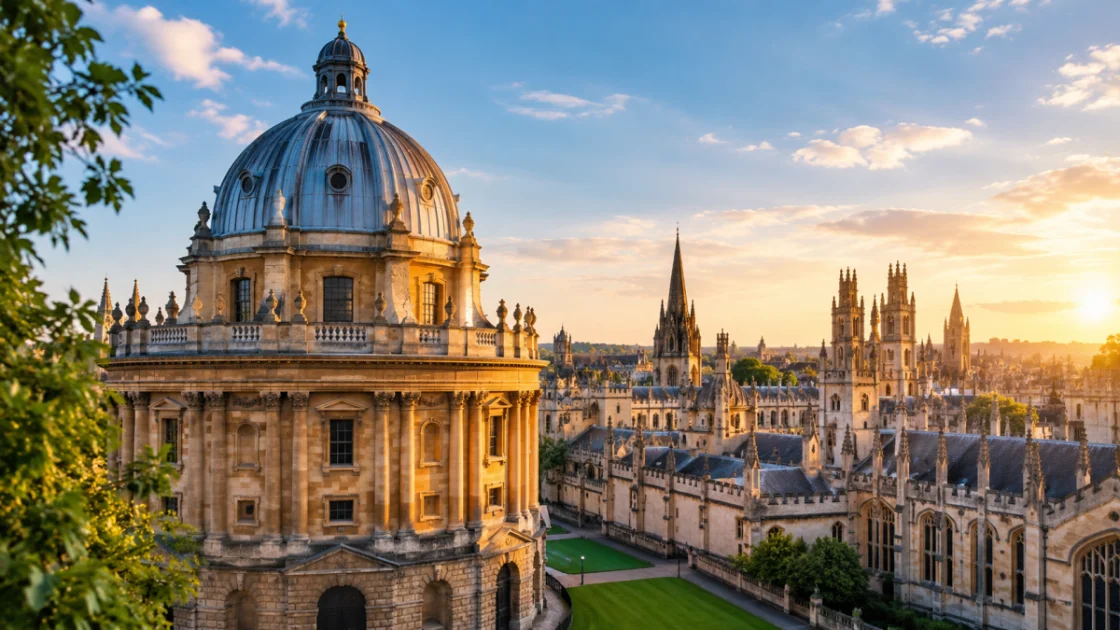
Featured Image | Generic photograph of Oxford's historic university architecture or a university library, without an unofficial Rhodes crest or logo |
Featured Image Alt | Historic Oxford university architecture representing postgraduate study in the United Kingdom |
Image sourcing note: Use a properly licensed image from Unsplash or another reputable image library. Search for “Oxford University architecture,” “Oxford college library,” or “Oxford city university.” Check the image licence and avoid copying images or logos from the Rhodes Trust website without permission.
Tab 6: FAQs
1. What is the Rhodes Scholarship deadline for Pakistani students in 2028?
As of 14 October 2026, the Rhodes Trust has not announced the Pakistan constituency's deadline for the 2028 entry cycle. The official general page says applications are expected to reopen in 2027 for entry to Oxford in 2028. The previous Pakistan cycle, for entry in October 2027, opened on 1 June 2026 and closed on 5 August 2026 at 23:59 Pakistan Standard Time. Those dates must not be treated as the confirmed 2028 deadline. Check the official Pakistan scholarship page for the new candidate document and application window before submitting.
2. Can I apply for the Rhodes Scholarship from Pakistan without work experience?
The official scholarship information does not establish a universal minimum number of paid work-experience years for every Pakistani applicant. The assessment includes academic attainment, character, leadership and service, while the chosen Oxford course may have its own requirements. Relevant work, research, volunteering or community involvement can help demonstrate your preparation and contribution, but it should not be presented as a substitute for meeting the formal criteria. Read the course's entry requirements and the Pakistan constituency's candidate document for the relevant cycle. If a course requires professional experience, that course requirement still applies even if the scholarship itself has no universal work-experience minimum.
3. Do Pakistani applicants need IELTS or TOEFL?
There is no single scholarship-wide IELTS or TOEFL score that applies to every Pakistani candidate. The relevant English-language requirement is determined by the University of Oxford and the chosen course, including any accepted tests or permitted exemptions. Applicants should check the English-language section of their course page and contact Oxford if their previous education may qualify them for a waiver. Do not assume that studying at an English-medium university automatically removes the requirement. For the 2028 entry cycle, verify the latest Oxford rules and test validity periods before booking an exam or submitting an application.
4. How much money does the Rhodes Scholarship pay?
The Rhodes Trust's general FAQ lists £21,060 GBP per year, paid in monthly instalments of £1,755 GBP, for the 2026–2027 academic year. This stipend is intended to cover living expenses, including accommodation. The Trust also covers eligible Oxford course fees and specified costs such as the student visa fee, Immigration Health Surcharge, Oxford application fee, travel and a settling-in allowance, subject to its conditions. The stipend is not a separate accommodation payment, and the Trust warns that it is not sufficient to support a partner or dependants. The stipend for the 2028 entry cycle has not been confirmed and should be rechecked before publication.
5. Can I take my spouse or children to the United Kingdom on this scholarship?
The published Rhodes Trust funding information says the stipend is not sufficient to cover partners or dependants. That does not by itself determine whether a scholar may bring family members under UK immigration rules. Visa eligibility, dependent status and extra living costs must be checked separately against current UK government requirements. Do not assume that the scholarship will pay family travel, accommodation, healthcare or maintenance costs. If you have dependants, prepare a separate financial plan and confirm the visa rules before accepting an award or making travel arrangements. The next cycle's scholarship terms should also be reviewed for any updated support provisions.
6. Do I need an unconditional Oxford offer before applying for the Rhodes Scholarship?
The Rhodes Trust says candidates should apply for the scholarship before applying to their proposed Oxford course. Successful Rhodes candidates then complete the separate Oxford graduate application, with support from the Trust's team. Winning the scholarship does not automatically mean that Oxford has admitted the candidate. You must still meet the chosen course's entry requirements and any conditions attached to the university offer. Research course requirements in advance, prepare your academic documents and allow time for any required English-language test. For the 2028 cycle, confirm the sequence in the official candidate document before submitting.
7. Where are Rhodes Scholarship interviews held in Pakistan?
For the 2027 Pakistan constituency cycle, the official candidate document specified that interviews would be held in Lahore in October. It also described an in-person social engagement event and stated that shortlisted candidates must attend the required events. The Trust's published terms for that cycle included limited domestic travel support for the round-trip cost of a first-class rail ticket, excluding hotel expenses; international travel for candidates travelling from overseas was not funded. These arrangements are cycle-specific. The location, date, travel rules and attendance requirements for the 2028 entry cycle have not been confirmed, so applicants should check the new Pakistan candidate document before booking travel.
8. How many Pakistani students receive the Rhodes Scholarship each year?
The Rhodes Trust's Pakistan page lists 2 scholarships available each year for the Pakistan constituency. It also states that the first Pakistani Rhodes Scholar began at Oxford in 1951 and that more than 70 Pakistani citizens have received the award since then. The annual allocation does not mean that an applicant has a predictable individual chance of selection; the number of applicants and their qualifications vary, and no current official Pakistan-specific acceptance rate was identified for this listing. Candidates should focus on meeting the formal criteria and presenting credible evidence of academic ability, character, leadership, service and readiness for their chosen course.
Rhodes Scholarship 2028 for Pakistani students: how to prepare a strong application
The Rhodes Trust allocates 2 scholarships each year to Pakistan, according to its official Pakistan constituency page. The award supports postgraduate study at the University of Oxford and includes eligible course fees, a living stipend and specified additional costs. Selection is competitive and considers more than academic results: candidates must also demonstrate character, leadership, service and preparation for their proposed course.
Rhodes Trust
If you are planning to apply from Pakistan, the first task is to establish whether you meet the constituency's requirements. The second is to build an application that makes a convincing, evidence-based case for your academic direction and contribution to society. That takes time, especially if you need references, English-language testing or additional academic documents.
The 2027 entry cycle has closed. The Rhodes Trust says applications are expected to reopen in 2027 for entry to Oxford in 2028, but the Pakistan-specific deadline for that cycle has not been announced. Treat any projected dates as provisional until the official page publishes them.
This guide explains how to prepare without relying on unverified dates or claims. For the listing's current facts, funding figures and eligibility links, see the Rhodes Scholarship listing on Scholarship Ledger.
Before you start — eligibility reality check
Do not begin by writing your personal statement. Begin by checking whether you can apply through the Pakistan constituency. A polished application cannot compensate for failing a mandatory eligibility condition.
1. Confirm your citizenship
The published Pakistan criteria require applicants to be citizens of Pakistan and hold a Pakistani passport. If you are a Pakistani student living abroad, do not assume that residence overseas automatically makes you ineligible, or that Pakistani ancestry alone is enough. The relevant citizenship and education or residency requirements must be assessed together. Use the official Pakistan eligibility checker rather than relying on a general social-media post.
2. Check your education or residency history
For the 2027 entry cycle, the published criteria required formal study at an educational institution in Pakistan for at least 4 of the preceding 10 years. Applicants also had to meet one of the specified education conditions involving a school or college leaving examination in Pakistan or an undergraduate degree from a Pakistani university.
This matters if you attended school abroad, transferred between education systems, or completed your undergraduate degree outside Pakistan. Gather dates, transcripts and certificates that establish your education history. Do not assume that your current residence alone determines the correct constituency.
These are the published 2027 rules. The Trust may specify different reference dates or details for the 2028 entry cycle, so check the new candidate document when it becomes available.
3. Treat the age criteria as a formal test
The 2027 Pakistan criteria assessed age on 1 October 2026. The standard route covered applicants aged 18–23 on that date. An alternative route applied to certain applicants under 27 who had completed their first undergraduate degree on or after 1 October 2025.
These dates are not a permanent rule for all future cohorts. A candidate who meets the age test for one cycle may not meet it for the next. When the 2028 entry guidance is published, calculate your eligibility using the exact date and degree-completion rule stated there. If your university distinguishes between completing academic requirements, the date a degree is awarded and the graduation ceremony, ask the Pakistan National Secretary how the relevant date is interpreted.
4. Assess your academic readiness against Oxford's requirements
There is no single GPA figure that guarantees eligibility for every applicant. The official checker identifies a first-class honours degree or equivalent, or a GPA of 3.70/4.0 or higher, as an example of a strong academic record. It also requires candidates to be academically qualified for their proposed full-time Oxford course.
A Pakistani CGPA should not be converted casually into a UK degree classification. Your university's grading system, transcript and the requirements of the specific Oxford course all matter. Review the course's entry requirements, subject prerequisites and research expectations. If you are studying a 4-year BS degree, confirm when your degree will be completed and whether that timing meets the scholarship's cycle-specific rule.
5. Check the course and language requirements
The Rhodes Scholarship supports most full-time postgraduate courses, subject to its Conditions of Tenure. That does not mean every programme or combination of degrees is automatically eligible. Read the conditions before making your shortlist.
There is also no universal scholarship-wide IELTS or TOEFL score that applies to every Pakistani applicant. Oxford's English-language rules depend on the course and the university's accepted tests and exemptions. Check the official course page before deciding whether to book a test.
The 2028 application timeline
The exact Pakistan application dates for the 2028 entry cycle are not yet announced. The Rhodes Trust's general page says applications are expected to reopen in 2027 for entry to Oxford in 2028. The dates below distinguish confirmed information from planning targets.
Milestone | Date or status | What you should do |
|---|---|---|
Previous Pakistan cycle opened | 1 June 2026 | Use the previous cycle only to understand the process |
Previous Pakistan cycle closed | 5 August 2026, 23:59 PKT | This deadline has passed and is not the 2028 entry deadline |
Preparation period | Begin now | Review eligibility, transcripts, course requirements and referees |
Next application opening | Expected in 2027; unconfirmed | Monitor the official Pakistan page |
Next application deadline | Not announced | Do not rely on an estimated date to plan submission |
Interview and selection events | Dates and location not announced for the next cycle | Keep time available after the new timeline is published |
Oxford entry | 2028 expected | Confirm the entry year and course dates against the official guidance |
Pakistan Standard Time is UTC+5. The previous deadline was expressly stated in PKT, so applicants in Pakistan did not need to convert it from UK time. If you are living abroad, use the timezone shown on the application portal rather than assuming that a date ends at midnight in your current location.
The strict milestones will be the official submission deadline and the reference deadline. In the previous Pakistan cycle, the reference deadline was the same as the application deadline. Do not assume that late references, incomplete documents or an email explaining a delay will be accepted.
Build the application around your Oxford study plan
Your course choice, academic statement and personal statement should make sense together. They are not separate pieces of paperwork to complete independently.
Choose courses before writing the academic statement
Start with the official Oxford graduate course directory only if you are researching Cambridge; for Rhodes applicants, use the University of Oxford graduate study pages. Find courses that genuinely fit your academic background and long-term direction. Check the qualification required, prerequisites, application materials, English-language rules and course duration.
Create a shortlist with these columns:
Course name and department.
Required undergraduate subject or qualification.
Academic grade requirements.
Relevant research or professional preparation.
English-language test requirements.
Application materials and deadlines.
Whether the course is compatible with the Rhodes Conditions of Tenure.
Avoid selecting a course solely because it is well known. You need to explain why the course is appropriate for your goals and how your previous study has prepared you for it. If your proposed field differs from your degree, explain the transition using evidence: relevant coursework, research, projects, work, volunteering or independent study.
Make the academic statement specific
The academic statement should explain what you want to study and why your preparation supports that choice. Start with the question or problem you want to explore, not a list of general ambitions.
For example, a student interested in public health might connect a research project, community experience or relevant coursework to a clearly defined question. The point is not to claim that one experience solves a national problem. It is to show how that experience led to a thoughtful academic interest and why the proposed Oxford course is the next logical step.
Support claims with evidence. If you say that you have research experience, identify your role, methods and contribution. If you describe a project, explain what you learned and what you would investigate further. Avoid exaggerating the impact of a small initiative or claiming sole credit for a team's work.
Make the personal statement genuinely personal
Your personal statement should give the selection committee a clear view of your values, experiences and motivations. It should not simply repeat your CV.
Choose a few meaningful experiences that show how you think, respond to difficulty, work with others or serve a community. Reflect on what changed in your understanding, what you learned from a mistake, or how you revised an assumption. A modest, accurately described example is more credible than an inflated claim about transforming an entire institution.
Do not force every paragraph to sound heroic. A strong account can include uncertainty, learning and improvement. The purpose is to provide a truthful picture of your character and potential, supported by concrete examples.
Choose referees who know your work
The published Pakistan application process requires 4 referees. Begin contacting them well before the next application window. A referee should know your academic work, leadership, service or other relevant achievements well enough to give specific examples.
A famous person who barely knows you may be less useful than a teacher, supervisor or project leader who has observed your work directly. Give each referee a concise summary of your proposed course, achievements and relevant experiences. Share the official referee guidance when it is available for the next cycle.
Do not write references for other people to submit as their own, and do not embellish your achievements to make the referee's task easier. The application must accurately represent your work, and the Trust may investigate suspected misrepresentation.
Prepare your documents early
Keep a digital folder containing your passport, CNIC if relevant, transcripts, degree certificates, CV, statement drafts and referee contact details. Use consistent spellings of your name and check that dates and qualifications match across documents.
If a document is not in English, check whether an official English translation is required. The 2027 candidate document stated that application documents must be in English and that official translations must accompany documents issued in other languages. Recheck the next cycle's instructions before paying for translations or attestations.
Do not assume that HEC attestation is a universal Rhodes application requirement. Verify any attestation or verification requirement with the relevant authority, Oxford department or scholarship team before treating it as mandatory.
The interview and selection process
The Rhodes selection process is more than an assessment of grades. The Trust describes a process involving the written application, a social engagement event and a final interview, with constituency-specific arrangements. The committee seeks evidence of academic ability, character, leadership and commitment to service.
Rhodes Trust
What happens after submission?
Applications are reviewed for eligibility and completeness before candidates are considered for further selection. Shortlisted candidates may be invited to the required in-person events. You should read the cycle-specific candidate document carefully because the interview location, schedule and travel arrangements may differ between constituencies and years.
For the 2027 Pakistan cycle, the official candidate document specified interviews in Lahore in October. It also stated that the Trust would pay the round-trip cost of a first-class rail ticket for domestic travel, excluding hotel expenses, and would not fund international travel for candidates attending from overseas. These arrangements are not confirmed for the 2028 entry cycle.
Prepare to explain your choices
Be ready to discuss your academic interests, proposed course, personal statement, leadership experiences and service. The panel may ask you to explain the reasoning behind a decision, respond to an opposing viewpoint or discuss the limits of a project you have described.
Practise answering questions aloud, but do not memorise a script. A rehearsed speech can make it harder to respond naturally to a follow-up question. Instead, prepare a small set of examples that demonstrate your thinking, how you work with other people and what you learned from setbacks.
You should also be able to explain why the proposed Oxford course is necessary for your development. Avoid relying on the university's reputation alone. Explain what you intend to study, which academic questions interest you and how the course relates to your longer-term plans.
Discuss service and leadership with evidence
Leadership does not always mean holding the highest title in an organisation. It can include taking responsibility, helping a group solve a problem, building a useful initiative or improving how a team works. The important point is to describe what you personally did and what changed as a result.
For service activities, explain who benefited, how you identified the need and what you learned. If a project had limited results, be honest about those limits. Selection committees need to assess your judgment and character, not just the size of your claims.
Practical preparation for applicants in Pakistan
If invited to an in-person event, confirm the location and schedule directly from the official notice before booking transport. Keep identification and requested documents accessible, plan for travel delays, and budget for any expenses not explicitly covered. If you live overseas, do not assume that international travel will be funded.
The selection process may change for the next cycle. Follow the official Pakistan page and the instructions in your invitation rather than relying on another applicant's experience from a previous year.
Common mistakes that weaken Pakistani applications
Using last year's deadline as the next deadline. The 5 August 2026 deadline applied to the 2027 award. The next Pakistan deadline has not been announced.
Ignoring the education or residency condition. Citizenship alone may not be enough. Check the exact rule and collect documents that establish your history.
Treating a GPA as an automatic pass. A strong CGPA does not remove course prerequisites or other eligibility requirements.
Choosing an Oxford course without checking its entry rules. Scholarship selection and Oxford admission are separate decisions.
Asking referees too late. A reference can be incomplete even when the applicant has finished their own form.
Writing a generic personal statement. Broad claims about leadership or national impact are less convincing than specific examples and honest reflection.
Assuming HEC attestation or an English test is always required. Verify the actual requirements instead of spending money on an unnecessary process.
Overstating achievements. Misleading claims about roles, awards or project results can damage an application and may trigger verification.
What if you do not receive the Rhodes Scholarship?
The Rhodes Scholarship is only one route to postgraduate study. A rejection does not prevent you from applying to other programmes, but each has different eligibility rules, funding arrangements and deadlines.
Consider these alternatives and verify each programme's current Pakistan eligibility before applying:
Chevening Scholarship — United Kingdom. A UK master's funding route with its own eligibility, work-experience and return-to-home-country requirements. Listing to create or update:
/scholarships/chevening-scholarship-uk.Commonwealth Master's Scholarships — United Kingdom. A potential option for eligible applicants from Commonwealth countries; confirm the current Pakistan nomination and course rules. Listing to create or update:
/scholarships/commonwealth-masters-scholarship-uk.Erasmus Mundus Joint Masters — Europe. Funding opportunities linked to individual joint master's programmes. Eligibility, benefits and deadlines vary by programme. Listing to create or update:
/scholarships/erasmus-mundus-joint-masters.DAAD postgraduate scholarships — Germany. Relevant opportunities depend on the course, subject, applicant profile and current call. Listing to create or update:
/scholarships/daad-postgraduate-scholarships-germany.
These are alternative programmes to investigate, not a claim that every Pakistani applicant is eligible for every award or that applications are currently open. Verify each official programme page before publishing a separate listing.
Next steps
Start with the Rhodes Scholarship listing on Scholarship Ledger for the verified facts and the current deadline status. Then use the official Pakistan eligibility checker to assess your circumstances.
Today, you can organise your academic records, identify potential referees, shortlist Oxford courses and begin drafting evidence-based statements. Do not submit documents through unofficial application links or rely on a projected 2028 deadline. Recheck the official Pakistan page when the Trust announces the next cycle, then revise your plan around its exact dates.
For Scholarship Ledger, subscribe to scholarship deadline updates so that new cycle information can be added when officially confirmed. Any email or alert should distinguish verified dates from estimates and link directly to the official source.
PART 3 — Post-publish checklist
Confirm the listing URL is
/scholarships/rhodes-scholarship-2028-uk.Confirm the blog URL is
/rhodes-scholarship-pakistan-application-guide.Verify that both slugs resolve correctly and return the expected page.
Confirm the listing status remains Draft until the next cycle's details are verified.
Ensure the 2027 deadline is clearly labelled as passed and is not presented as the 2028 deadline.
Ensure no unannounced 2028 date appears as a confirmed date in the deadline meter.
Check that the meta title and meta description render correctly and meet their character limits.
Confirm all 8 FAQs render as accessible accordion items.
Check that the quick facts sidebar displays the correct provider, funding type, study levels and cycle status.
Ensure the application button opens the official Rhodes Pakistan page in a new tab.
Verify that the application form is not described as currently open.
Confirm that JSON-LD structured data is present in the page source and accurately reflects the published page.
Validate the
EducationalOccupationalProgramschema against the site's implementation and avoid unsupported deadline or funding claims.Ensure the listing links to the companion blog and the blog links back to the listing.
Check all Oxford and Rhodes Trust external links.
Confirm the featured image renders correctly on desktop and mobile.
Check image licensing and remove any unofficial crest or logo that could imply endorsement.
Verify the blog's word count in the CMS before publication.
Confirm alternative scholarship links point to live listings; otherwise label them as planned listings.
Test the page at mobile, tablet and desktop widths.
Check that no broken internal links, placeholder URLs or misleading CTA labels remain.
Recheck the official Pakistan page immediately before changing the listing to Published.
PART 4 — Verification reminders
The following dates are editorial reminders, not scholarship deadlines. The dates for the 2028 entry cycle remain unannounced.
Reminder | Date | Action |
|---|---|---|
Initial next-cycle check | 1 December 2026 | Revisit the official Rhodes pages for any early announcement about the 2028 entry cycle |
Second cycle check | 1 March 2027 | Check whether the Pakistan constituency has published its new candidate document |
Expected opening-period check | 1 June 2027 — unconfirmed | Check the official page for the opening date; do not assume it will match the previous cycle |
Deadline verification | Immediately after the official deadline is announced | Update the listing, deadline meter, FAQs, blog timeline and metadata using the confirmed date and timezone |
Pre-deadline review | 14 days before the confirmed deadline | Recheck the official source and all application links |
Final pre-deadline review | 3 days before the confirmed deadline | Confirm that the date, time, timezone and application portal remain correct |
Post-deadline status review | 1 day after the confirmed deadline | Update the status to Closed if the official application window has ended |
Next-cycle duplication | 1 December 2027 — provisional editorial reminder | Prepare a new draft for the next cycle only if the Trust has published relevant information |
Funding review | When the official funding information changes | Update the stipend, currency, duration and benefit details |
Important: The dates in the reminder schedule are internal editorial targets. They are not official Rhodes Trust milestones. Replace them if the Trust announces a different schedule or if the next cycle opens earlier.
PART 5 — Sources cited
Access date for all sources below: 14 October 2026.
Primary sources — official
1. Rhodes Scholarships for Pakistan — constituency-specific dates, annual allocation and application instructions. https://www.rhodeshouse.ox.ac.uk/scholarships/applications/pakistan/
Rhodes Trust
2. Pakistan eligibility criteria — citizenship, education or residency, age and academic criteria. https://www.rhodeshouse.ox.ac.uk/scholarships/applications/pakistan/eligibilitycriteria/
Rhodes Trust
3. Pakistan information for candidates, 2027 award — cycle-specific dates, documents, references, selection events and interview arrangements. https://www.rhodeshouse.ox.ac.uk/media/vnzjoyzt/pakistan-information-for-candidates-document-2027-final.pdf
Rhodes Trust
4. The Rhodes Scholarship — general award description, funding coverage and stipend information. https://www.rhodeshouse.ox.ac.uk/scholarships/the-rhodes-scholarship/
Rhodes Trust
5. Rhodes Trust FAQs — current published stipend, degree duration, application sequence and selection process. https://www.rhodeshouse.ox.ac.uk/scholarships/faqs/
Rhodes Trust
6. Rhodes Trust application portal information — current application status and notification of the expected 2027 reopening for 2028 Oxford entry. https://www.rhodeshouse.ox.ac.uk/scholarships/applications/
Rhodes Trust
7. Rhodes information sessions for Pakistan — official preparation material and information-session resources. https://www.rhodeshouse.ox.ac.uk/scholarships/information-sessions/pakistan/
Rhodes Trust
8. University of Oxford graduate admissions — course selection and separate graduate admission process. https://www.ox.ac.uk/admissions/graduate
Secondary sources — cross-reference
1. Institute of Business Administration, Office of International Student Engagement — Rhodes Scholarship information https://ossie.iba.edu.pk/oise/rhodes-scholarship.php
ossie.iba.edu.pk
Use this institutional page as a secondary cross-check for Pakistan-specific context. The official Rhodes Trust remains authoritative for eligibility, deadlines, funding and application instructions.
2. Institute of Business Administration — information session for Rhodes Scholarships for Pakistan https://ossie.iba.edu.pk/oise/information-session-rhodes-scholarships-for-pakistan.php
ossie.iba.edu.pk
This page provides additional context on the 2027 application cycle and information-session arrangements. Its information should not override updated official Rhodes Trust guidance.
Pakistan-specific coverage
1. Official Rhodes Trust Pakistan constituency page — primary source for Pakistani eligibility, annual allocation and the Pakistan application window. https://www.rhodeshouse.ox.ac.uk/scholarships/applications/pakistan/
Rhodes Trust
2. Official Pakistan candidate document for the 2027 award — primary source for Pakistani application requirements, interview arrangements and cycle-specific travel guidance. https://www.rhodeshouse.ox.ac.uk/media/vnzjoyzt/pakistan-information-for-candidates-document-2027-final.pdf
Rhodes Trust
3. IBA Office of International Student Engagement — secondary Pakistan-focused coverage. https://ossie.iba.edu.pk/oise/rhodes-scholarship.php
ossie.iba.edu.pk
4. IBA Pakistan information session — secondary source for local applicant context and preparation. https://ossie.iba.edu.pk/oise/information-session-rhodes-scholarships-for-pakistan.php
ossie.iba.edu.pk
Final editorial verification notes
Pakistan eligibility is confirmed for the Rhodes Scholarship through the official Pakistan constituency.
The previous deadline, 5 August 2026 at 23:59 PKT, is confirmed for the 2027 award and has passed.
The Rhodes Trust indicates that applications are expected to reopen in 2027 for Oxford entry in 2028. The next Pakistan-specific opening date and deadline remain unannounced.
The stipend of £21,060 GBP per year is the official amount listed for the 2026–2027 academic year. Do not present it as the confirmed stipend for the 2028 entry cycle.
The interview location and travel arrangements cited above are for the 2027 Pakistan cycle and must be rechecked for the next cycle.
The next cycle's age criteria, document requirements, course conditions and deadline must be verified against the new official candidate document before publication.
No official numerical acceptance rate or selection-criteria weighting was identified. Do not add one without a reliable primary source.
All dates marked as expected or provisional are editorial planning information, not confirmed scholarship dates.